Curious about the style that blends traditional and modern? Our guide on Transitional Interior Design Explained covers key elements and tips. Contact us!
How Do I Design A Guest Bedroom?
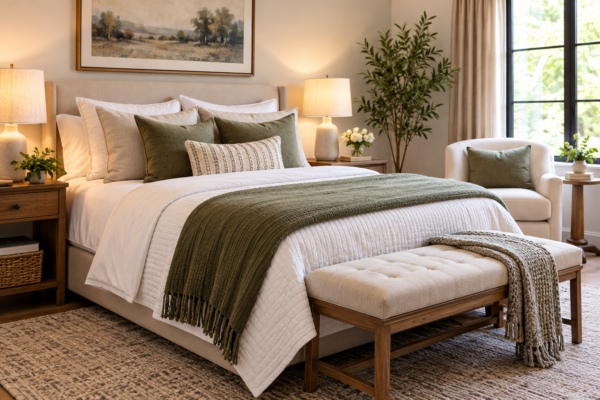 The question of How Do I Design A Guest Bedroom? is one that many homeowners face. The goal is to create a space that is more than just a spare room with a bed; it should be a welcoming retreat that makes your visitors feel comfortable and cared for. Consequently, a well-designed guest room balances hotel-like amenities with the warmth of a home. This guide provides actionable steps to transform your extra room into a five-star guest experience, focusing on comfort, functionality, and thoughtful details.
Start with the Foundation: The Bed
The single most important element in any bedroom is the bed. For a guest room, this is not the place to use an old, uncomfortable mattress. Investing in a quality mattress ensures your guests get a restful night’s sleep. Furthermore, consider the size of the bed in relation to the room. A queen-size bed is often ideal, offering ample space for a couple without overwhelming a smaller room. However, a full or even two twin beds might be more appropriate depending on your space and the typical guests you host.
Additionally, bedding is crucial for comfort. Opt for high-quality, breathable sheets, and provide a variety of pillows with different firmness levels. Layering is key; a duvet, a quilt, and an extra throw blanket allow guests to customize their sleeping temperature. This thoughtful approach demonstrates a high level of hospitality and care.
What Amenities Should a Guest Room Have?
Beyond a comfortable bed, certain amenities can elevate a guest room from good to great. Think about what you appreciate when you travel and try to replicate that experience. For example, providing a designated space for luggage is a simple but significant touch. A folding luggage rack is an inexpensive and practical solution that keeps suitcases off the floor. Similarly, ensuring there is empty closet or drawer space allows guests to unpack and feel more at home.
Essential Guest Room Amenities Checklist
To create a truly functional space, consider including a variety of thoughtful items. These small touches make a huge difference in a guest’s overall comfort and convenience.
- Bedside Table & Lighting: Each side of the bed should have a small table and a reading lamp.
- Charging Station: A power strip or USB hub on the nightstand is a modern necessity for charging phones and other devices.
- Wi-Fi Information: Display the network name and password in a small, elegant frame.
- Mirror: A full-length mirror is incredibly useful for guests getting ready for the day.
- Wastebasket: A small, clean wastebasket is a simple but often overlooked essential.
- Window Coverings: Blackout curtains or blinds are important for privacy and allow guests to control the amount of light in the room.
Creating a Functional and Stylish Layout
A successful guest room layout prioritizes easy movement and functionality. Therefore, arrange furniture to create clear pathways. There should be enough space to walk around the bed and access the closet without obstruction. If the room is large enough, adding a comfortable chair or a small desk can provide a private space for guests to read, work, or relax. These furniture arrangement principles apply just as well to bedrooms as they do to living rooms.
Key Considerations for When You Ask, ‘How Do I Design A Guest Bedroom?’
When planning the layout, it’s important to balance aesthetics with practicality. A neutral color palette often works best, creating a serene and universally appealing atmosphere. You can add personality with art, decorative pillows, and textiles. Importantly, remember that this room serves a specific function, so every piece should contribute to the guest’s comfort. Effective effective space planning is critical to making even a small room feel spacious and usable. For an in-depth look at creating a welcoming atmosphere, resources like Good Housekeeping’s guide to guest rooms offer excellent inspiration.
Finishing Touches: Decor and Personalization
The final layer of guest room design involves decor and personal touches that make the space feel special. For instance, hang some simple, tasteful artwork on the walls. A few well-chosen books or magazines on the nightstand can provide a nice evening distraction. Fresh flowers or a small plant can also add life and color to the room, making it feel more vibrant and welcoming.
Moreover, think about the small details that anticipate a guest’s needs. A small basket with travel-sized toiletries, a carafe of water and a glass, and a set of fresh, fluffy towels laid out on the bed are all gestures that communicate thoughtfulness. Ultimately, the answer to How Do I Design A Guest Bedroom? lies in creating an environment that is not only beautiful but also deeply considerate of your visitor’s needs. A great resource for high-quality bedding and decor is The Spruce’s review of bedding retailers.
Key Takeaways for Your Guest Bedroom Design
In summary, designing the perfect guest bedroom is an exercise in thoughtful hospitality. By focusing on the core elements of comfort, convenience, and a welcoming atmosphere, you can create a space that your guests will love. Remember to prioritize a high-quality bed and versatile bedding, as sleep is paramount. Then, layer in essential amenities and functional furniture to make their stay as smooth as possible.
Finally, use decor and personal touches to elevate the room from a simple sleeping space to a memorable retreat. If you’re looking for assistance in transforming your space, consider seeking professional interior design services to bring your vision to life.
- Prioritize a comfortable mattress and layered, high-quality bedding.
- Provide essential amenities like a luggage rack, charging stations, and Wi-Fi access.
- Ensure the layout is functional with clear pathways and multi-purpose furniture if space allows.
- Use a calming, neutral color palette as a base for decor.
- Add personal touches like fresh flowers, a welcome note, and a basket of toiletries.
Related Posts