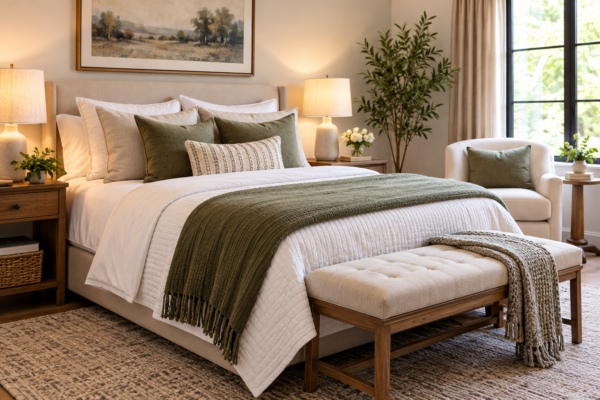
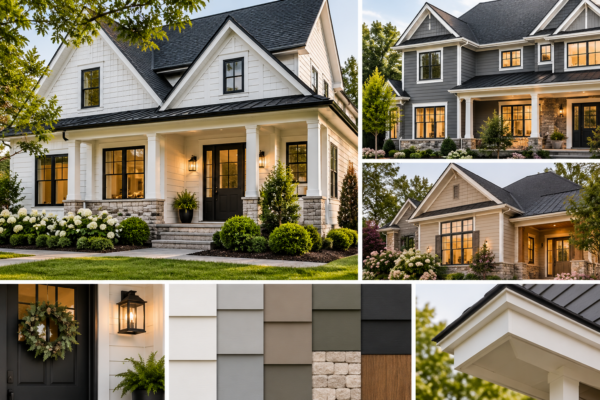
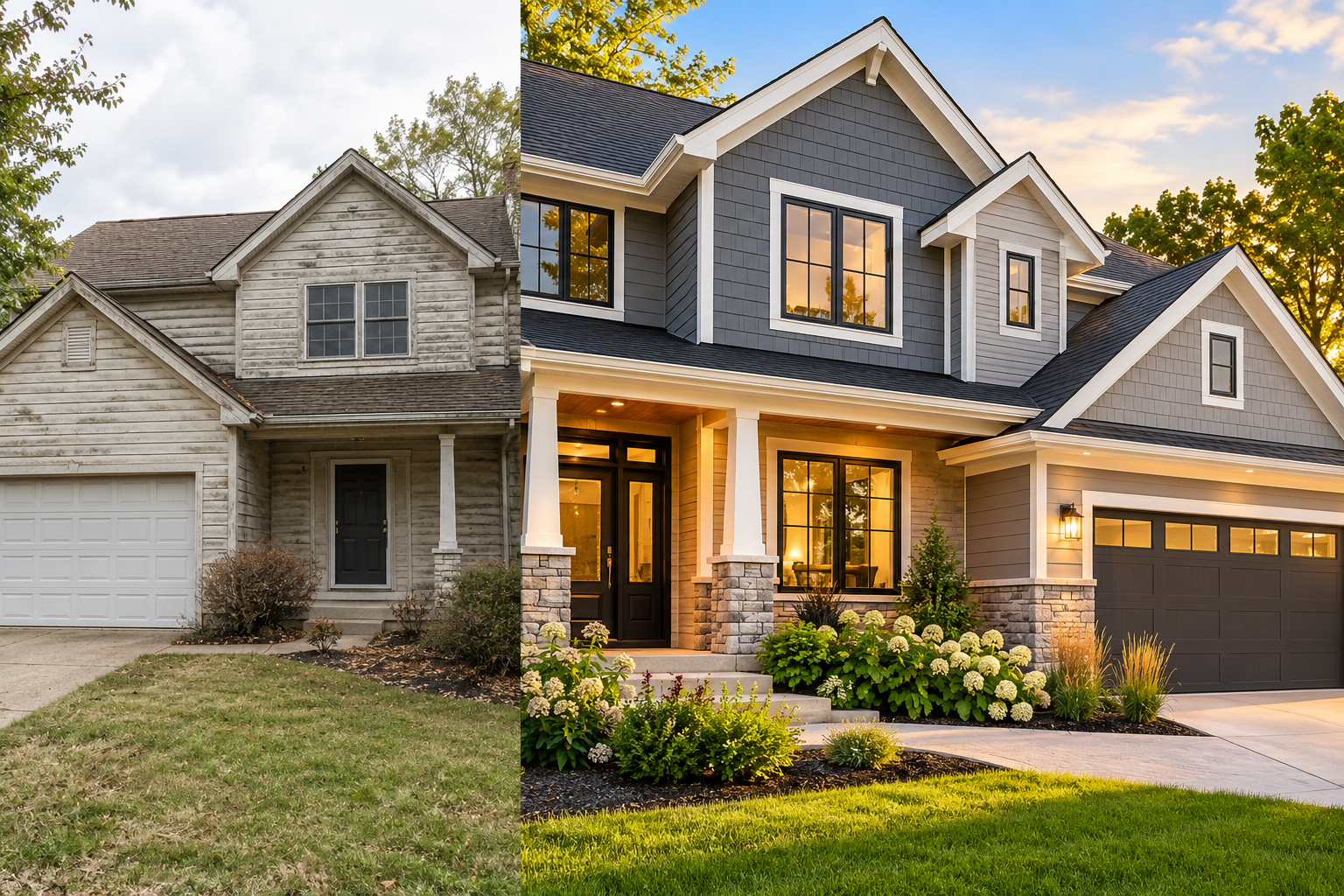
Wondering 'How Do I Design A Guest Bedroom?' Our guide covers key tips on furniture, layout, and decor to create a welcoming space for visitors. Contact us!
Transitional Interior Design Explained
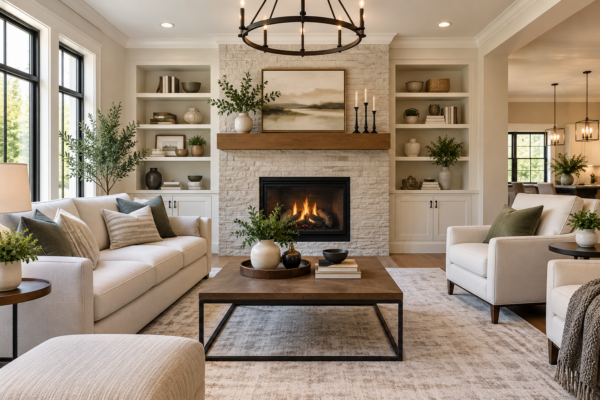 Finding the perfect balance between classic elegance and contemporary simplicity can feel like a challenge. However, there is a design style that masterfully bridges this gap, creating spaces that are both comfortable and sophisticated. This comprehensive guide on Transitional Interior Design Explained will walk you through its core principles, helping you create a home that feels both current and timeless. Consequently, you can achieve a look that won’t feel dated in a few years, offering a serene and harmonious living environment.
What Exactly is Transitional Interior Design?
Transitional interior design is essentially a marriage of traditional and modern styles. It takes the best of both worlds to create a cohesive and classic look. For example, it might pair the stately furniture profiles of traditional design with the clean lines and neutral colors of a contemporary aesthetic. The result is a space that feels warm, inviting, and uncluttered. Importantly, this style avoids the ornate details of purely traditional spaces and the stark minimalism of some modern interiors.
Furthermore, the goal is to create a sense of serene sophistication. Think of it as a comfortable middle ground that is enduring and elegant. This approach allows for more flexibility than stricter design styles, as it focuses on a balanced and curated look rather than adhering to a rigid set of rules. As a result, homeowners can incorporate pieces they love, whether they are family heirlooms or brand-new finds, into a single, harmonious design. For those interested in professional guidance, exploring our interior design services can provide tailored solutions.
The Core Elements: Your Guide to Transitional Interior Design Explained
To successfully create a transitional space, you must understand its fundamental components. While there is room for personal expression, certain elements are hallmarks of this style. The following sections break down the key features that define transitional design, providing a clear roadmap for implementation. Specifically, mastering this balance is key to achieving the desired aesthetic.
A Neutral Color Palette
The foundation of transitional design is a calm and neutral color palette. Colors like taupe, beige, gray, vanilla, and off-white dominate walls and large furniture pieces. This creates a clean, serene backdrop that allows textures and accent pieces to stand out. However, neutral does not mean boring. You can introduce depth by using varying shades of the same color. Additionally, pops of color can be added through accessories like pillows, artwork, or a statement rug, but they are used sparingly to maintain the overall tranquil feel.
Curated Furniture Choices
Furniture in a transitional space strikes a balance between curves and straight lines. Pieces often have the classic, substantial feel of traditional furniture but are updated with cleaner, more modern silhouettes. For instance, a sofa might have a simple, straight-line frame but feature gently curved arms. The scale is also important; furniture should be comfortable and inviting without being overly large or ornate. Materials like wood, leather, and textured fabrics are common, contributing to a warm and welcoming atmosphere. Effective space planning is crucial to ensure these pieces work together harmoniously.
Minimalist Accessories and Decor
In contrast to traditional design, which often features abundant accessories, transitional style leans toward a more minimalist approach. The mantra is ‘less is more.’ Instead of filling shelves with knick-knacks, a few carefully chosen, impactful pieces are used. For example, a single large piece of abstract art, a simple metallic floor lamp, or a curated collection of glass vases can make a powerful statement. This intentional simplicity prevents the space from feeling cluttered and keeps the focus on the clean lines and sophisticated feel of the room.
What Are the Key Elements of Transitional Design?
Understanding the core components is one thing, but knowing how to combine them is what truly brings the style to life. This involves a thoughtful blend of materials, textures, and finishes. Ultimately, the goal is to create a layered, interesting space that feels both classic and fresh. Here are the key elements to focus on:
- Texture is Paramount: Since the color palette is neutral, texture plays a vital role in adding visual interest. You should layer different materials like wood, glass, metal, and natural fibers. For example, a plush wool rug, a smooth leather armchair, a rough-hewn wooden coffee table, and sleek metallic light fixtures can coexist beautifully.
- Simple and Sophisticated Lines: Look for furniture and architectural details that are clean and uncluttered. This applies to everything from the shape of a sofa to the style of the window casings. The lines are typically more streamlined than traditional designs but less severe than in ultra-modern aesthetics.
- Impactful but Minimal Artwork: Art should be a focal point but not overwhelming. A large, single piece of art often works better than a busy gallery wall. Similarly, choose frames that are simple and clean to complement the overall design.
- Balanced Use of Curves and Straight Lines: The interplay between masculine straight lines and feminine curves is a signature of transitional design. For instance, you might pair a rectangular dining table with chairs that have a curved back. This balance creates a dynamic yet harmonious look.
For more insights on how different design elements can work together, a great resource is Better Homes & Gardens’ overview of decorating styles, which provides additional context on blending aesthetics.
Common Mistakes to Avoid
While transitional design is flexible, there are a few common pitfalls that can prevent you from achieving the desired look. Firstly, avoid making the space too bland. A neutral palette requires a rich variety of textures to feel warm and inviting. Without them, it can look flat and uninspired. Secondly, do not over-accessorize. The elegance of transitional design comes from its curated, uncluttered nature. Therefore, resist the urge to fill every surface.
Another mistake is creating an imbalance between traditional and modern elements. The goal is a seamless blend, not a room that feels divided. For example, pairing an extremely ornate, traditional sofa with a stark, minimalist coffee table can feel jarring. The pieces should complement each other. Finally, understanding how to apply these principles to different rooms is essential. For instance, the approach to arranging living room furniture will differ from planning kitchen updates, but the core philosophy remains the same.
Final Thoughts on Creating Your Transitional Space
In summary, transitional interior design offers a beautiful, enduring aesthetic that combines the comfort of traditional style with the clean sophistication of contemporary design. By focusing on a neutral color palette, balanced furniture forms, and a rich mix of textures, you can create a home that is both stylish and livable. The flexibility of this style allows for personalization while maintaining a cohesive and elegant look. Ultimately, this guide to Transitional Interior Design Explained should empower you to craft a space that perfectly reflects your taste while standing the test of time. Ready to transform your home with a timeless design? Let’s get started.
Related Posts