Should I upgrade windows and siding together? Learn the cost, efficiency, and aesthetic benefits of a combined exterior renovation. Make an informed deci...
How Can I Create An Outdoor Living Space?
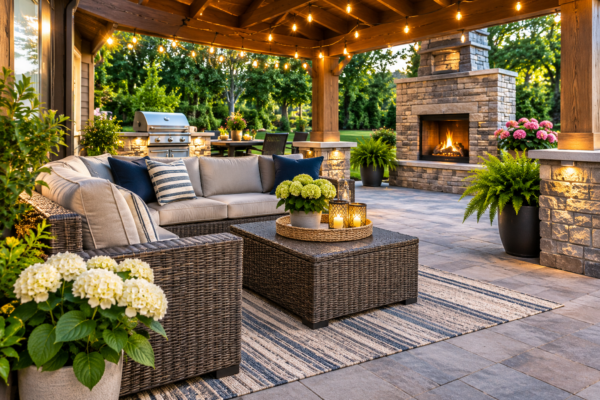 Extending your home’s comfort into the great outdoors is a fantastic way to increase your usable square footage and connect with nature. If you’re asking yourself, how can I create an outdoor living space?, you’re in the right place. This comprehensive guide will walk you through the essential steps, from initial planning to the final decorative touches. Consequently, by following these principles, you can design a functional, beautiful, and enduring extension of your home that you’ll enjoy for years to come.
Step 1: Define the Purpose and Zones of Your Space
Before you purchase any furniture or plants, it’s crucial to define how you want to use your outdoor area. A well-designed space often serves multiple functions, which can be organized into distinct zones. For example, you might want a zone for dining, another for lounging and conversation, and perhaps a third for cooking or recreation. Consider the natural flow of traffic and the sun’s path throughout the day when mapping these areas out. Importantly, a clear plan prevents the space from feeling cluttered and ensures every element has a purpose.
Start by sketching your yard and noting existing features like trees, slopes, or a patio. Then, begin allocating space for your desired activities. A dining area, for instance, should ideally be close to the kitchen for convenience. In contrast, a quiet seating area might be tucked away in a more private corner of the yard. This initial planning is the foundation for a successful design and is a key part of holistic exterior design.
What Are the Key Elements of Outdoor Design?
Once you have a functional layout, you can focus on the core design elements that bring the space together. The goal is to create a cohesive environment that feels like a natural extension of your indoor living areas. This involves careful selection of materials, furniture, and structural components that can withstand the elements while reflecting your personal style. Furthermore, paying attention to these details will elevate your backyard from a simple patio to a true outdoor room.
Choosing Weather-Resistant Furniture
Outdoor furniture is a significant investment, so choosing durable, weather-resistant materials is essential. Materials like teak, powder-coated aluminum, and high-quality synthetic resin wicker are excellent choices because they resist moisture, fading, and temperature changes. Additionally, invest in cushions and pillows made from solution-dyed acrylic fabrics, which are designed to repel water and resist fading from UV exposure. For added longevity, consider furniture covers or a deck box for storing cushions when not in use.
Incorporating Shelter and Shade
To make your outdoor living space usable in various weather conditions, incorporating shelter is a must. A pergola can define a seating or dining area while providing partial shade, and you can grow vines over it for a lush, green canopy. Retractable awnings offer on-demand shade and rain protection, while large cantilever umbrellas provide flexible coverage that can be adjusted as the sun moves. As a result, these structures not only add comfort but also create a sense of enclosure and intimacy.
Answering “How Can I Create An Outdoor Living Space?” with Smart Selections
The specific features you include will ultimately define the character of your space. From cooking facilities to landscaping, these selections are where you can truly tailor the area to your lifestyle. This is the stage where you move from broad concepts to tangible choices that will shape your daily experience outdoors. Moreover, you can visualize the final result with 3D rendering to ensure your selections work together harmoniously before committing.
Landscaping and Greenery
Plants are vital for making an outdoor space feel alive and integrated with its surroundings. Use a mix of container plants, garden beds, and vertical gardens to add color, texture, and privacy. When selecting plants, consider your local climate and the amount of sunlight each area receives. For authoritative guidance, the Farmer’s Almanac planting calendar is an excellent resource for choosing appropriate species. Strategic planting can soften hardscapes, screen unwanted views, and attract local wildlife, significantly improving your home’s curb appeal.
Lighting and Ambiance: Bringing Your Space to Life After Dark
A well-executed lighting plan is critical for extending the usability of your outdoor living space into the evening. Good lighting enhances safety, creates ambiance, and highlights key features of your yard. Instead of relying on a single, harsh floodlight, use multiple layers of light to create a warm and inviting atmosphere. Similarly to interior design, a layered approach provides both functionality and aesthetic appeal.
Consider these different types of lighting for a complete and effective scheme:
- Ambient Lighting: This forms the base layer of light. String lights, lanterns, or outdoor pendants provide a soft, overall glow for conversation and relaxation.
- Task Lighting: Focused light is necessary for specific activities. For example, install under-capstone lights on a grill station or a directional spotlight over a dining table.
- Accent Lighting: Use uplights to showcase interesting trees, architectural details, or garden sculptures. This adds depth and drama to your landscape.
- Safety Lighting: Low-voltage path lights and step lights are essential for safely navigating the space after dark. Ensure all outdoor wiring and fixtures are rated for exterior use, following safety guidelines from organizations like the Electrical Safety Foundation International (ESFI).
Ultimately, the answer to how can I create an outdoor living space? lies in making it a true reflection of your personal style and functional needs. By blending comfort, style, and practicality, you can craft a backyard retreat that serves as a favorite gathering spot for family and friends. Thoughtful planning makes all the difference.
Final Thoughts on Your Outdoor Project
Creating an outdoor living space is a rewarding project that adds significant value and enjoyment to your home. By defining your needs, choosing the right materials, incorporating layers of lighting, and adding personal touches, you can build a beautiful and functional oasis. Remember to start with a solid plan and build out from there. Whether it’s a cozy corner for reading or a sprawling patio for entertaining, a well-designed outdoor space will provide countless hours of pleasure. For more inspiration, explore various landscaping ideas that can complement your new living area.
Related Posts