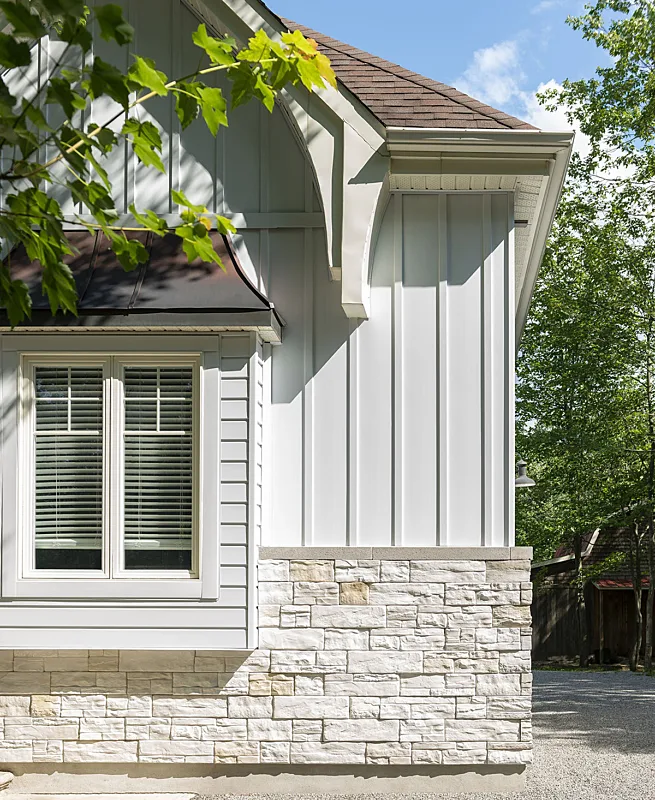
Thinking, 'Should I add stone veneer to my home?' Explore the benefits, costs, and styles to see if it's right for your property. Transform your home's e...
How Do I Arrange Living Room Furniture?
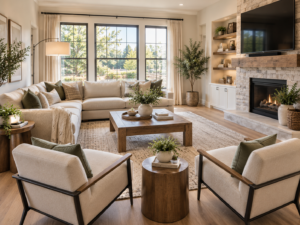 Figuring out how do I arrange living room furniture can feel like solving a complex puzzle. However, with a clear strategy, you can create a space that is both functional and beautiful. This guide will walk you through the core principles of furniture arrangement, from identifying your focal point to ensuring smooth traffic flow. Consequently, you can transform your living room into a harmonious and inviting environment that works for your lifestyle.
Start with the Basics: Measure and Plan
Before you move a single piece of furniture, it’s crucial to understand the space you’re working with. Therefore, start by measuring the dimensions of your living room, noting the placement of doors, windows, and any architectural features like a fireplace or built-in shelving. Create a simple floor plan on paper or using a digital tool.
Additionally, measure your main furniture pieces: the sofa, chairs, coffee table, and any large cabinets or media consoles. This initial step of effective space planning prevents the frustration of discovering your favorite armchair won’t fit in its intended spot. Having these measurements on hand allows you to experiment with different layouts on paper before committing to the heavy lifting.
What is the First Step in Arranging Furniture?
The single most important step in arranging any room is to identify its focal point. The focal point is the first thing that draws the eye when you enter the room, and it serves as an anchor for your entire furniture layout. Importantly, you should arrange your primary seating to face or orient around this feature.
In some rooms, the focal point is obvious. In others, you may need to create one. For example, a large piece of art or a media wall can serve as a manufactured focal point if no natural one exists. The goal is to give the room a sense of purpose and direction from the moment someone walks in.
Common Living Room Focal Points
Most living rooms have a natural focal point, but if not, you can create one. Specifically, look for these common anchors:
- A Fireplace: Arrange your main sofa and chairs to face the fireplace, creating a cozy and classic conversation area.
- A Large Window with a View: If you have a beautiful view, make it the star. Position seating to take advantage of the natural light and scenery.
- A Television or Media Unit: In many modern homes, the TV is the focal point. Ensure seating is at a comfortable viewing distance and angle.
- A Built-in Bookshelf or Accent Wall: A wall with unique architectural details or a bold color can serve as an excellent anchor for your furniture.
Creating Comfortable Conversation Areas
A living room’s primary function is to be a space for gathering and relaxing. Therefore, your furniture arrangement should encourage conversation. Position sofas and chairs so they face each other, either in a U-shape or an H-shape, depending on your room’s size. The pieces should be close enough that people can talk without shouting but far enough apart to allow for easy movement.
As a general rule, aim for a distance of about 8 feet between seating pieces. This proximity fosters intimacy and connection. Furthermore, ensure every seat has access to a surface, like a coffee table or a side table, to place a drink or a book. This thoughtful placement is a core tenet of functional interior design principles.
Key Principles for How Do I Arrange Living Room Furniture
Once you have your focal point and conversation areas in mind, it’s time to refine the layout. The question of how do I arrange living room furniture often comes down to a few key rules of thumb that professional designers use to create balanced and functional spaces. Following these guidelines will ensure your room feels right.
Rule 1: Mind the Traffic Flow
One of the biggest mistakes in furniture arrangement is blocking traffic paths. People should be able to walk through the room without tripping over furniture or squeezing through tight spots. As a result, you must maintain clear walkways from doorways to all parts of the room. A major traffic path should be about 30 to 36 inches wide. For smaller paths, like the space between a coffee table and a sofa, you can go a bit tighter.
Rule 2: Get the Spacing Right
Proper spacing between furniture pieces is critical for both function and aesthetics. Incorrect spacing can make a room feel either cramped or sparse. Use these measurements as a guide:
- Coffee Table to Sofa: Allow 14 to 18 inches between your coffee table and sofa. This is close enough to reach but far enough for legroom.
- Area Rugs: Your area rug should be large enough so that at least the front two legs of your sofa and chairs rest on it. This visually unifies the seating area.
- Artwork: Hang art so the center of the piece is at eye level, which is typically 57 to 60 inches from the floor.
- Sofa to Wall: Even in a small room, pulling your sofa a few inches away from the wall can make the space feel larger.
Rule 3: Balance and Scale
Balance is about distributing the visual weight of your furniture evenly throughout the room. For example, don’t place all your large, heavy pieces on one side of the room. Instead, balance a large sofa with two armchairs and a table on the opposite side. Similarly, consider scale. A massive sectional will overwhelm a small room, while a tiny loveseat will look lost in a large one. Choose furniture that is appropriately scaled to the room itself.
Tying It All Together with Lighting and Accessories
Finally, the right lighting and accessories complete your living room layout. A layered lighting plan, including ambient (overhead), task (reading lamps), and accent (spotlights) lighting, adds depth and functionality. Place floor lamps behind armchairs and table lamps on end tables. Ultimately, the final touches are what make your answer to ‘how do I arrange living room furniture‘ uniquely yours.
Accessories like throw pillows, blankets, and decorative objects add personality and color. When you’re considering your overall design, remember that a cohesive plan is key. Exploring different interior design concepts can provide inspiration for pulling your entire look together, from furniture placement to the final decorative touches.
Key Takeaways for Your Living Room Layout
Arranging your living room doesn’t have to be an overwhelming task. By following a logical process, you can create a layout that is stylish, comfortable, and perfectly suited to your needs. Remember to start with a plan, identify your focal point, create conversation zones, and respect the rules of traffic flow and spacing.
Moreover, don’t be afraid to experiment. Sometimes the best layout isn’t the most obvious one. If you’re still feeling stuck or want to visualize the possibilities before you start, exploring living room virtual space planning can be an invaluable tool. See your new layout in 3D and perfect it with confidence. Contact us to learn how we can help you design your ideal space!
Related Posts