Struggling with the question, 'How do I choose an exterior color scheme?' This guide covers everything from undertones to architectural style. Visualize...
Should I Add Stone Veneer To My Home?
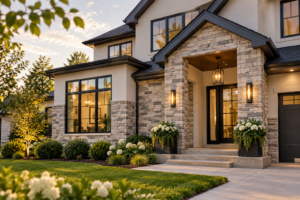 If you’re a homeowner looking for a high-impact upgrade, you’ve likely asked, Should I add stone veneer to my home? The answer involves weighing aesthetics, budget, and long-term value. This versatile material can dramatically transform both the interior and exterior of a house, but it’s crucial to understand what you’re getting into. Consequently, this guide breaks down everything from the core benefits and potential costs to design ideas, helping you make an informed decision for your property.
What Exactly Is Stone Veneer?
Stone veneer is a protective and decorative covering for interior or exterior walls. Unlike traditional solid stone masonry, which is thick, heavy, and structural, veneer is a thinner, lightweight layer applied to a surface. Therefore, it provides the same beautiful, rugged appearance of natural stone without the immense weight and engineering challenges. This makes it a popular choice for remodels and new construction alike. There are two primary categories to consider.
Natural Thin Stone Veneer
This product is created by slicing real, quarried stone—like granite, limestone, or slate—into thin profiles, typically about one inch thick. Because it is genuine stone, it offers authentic color variations and textures that are impossible to replicate perfectly. However, it is generally heavier and more expensive than its manufactured counterpart.
Manufactured Stone Veneer (MSV)
Also known as faux stone, architectural stone, or cultured stone, MSV is a man-made product. It’s crafted from a concrete mixture poured into molds taken from real stones and then colored to mimic natural stone. Importantly, high-quality MSV is nearly indistinguishable from the real thing but is significantly lighter and more affordable. This makes it easier and faster to install.
Key Benefits: Why You Should Add Stone Veneer To Your Home
Deciding to use stone veneer comes with a host of compelling advantages. From financial returns to sheer visual impact, the benefits are substantial. Furthermore, its versatility allows for creative applications throughout a property, making it a favorite for designers and homeowners.
- Enhanced Curb Appeal: First and foremost, stone veneer adds instant character, texture, and a sense of luxury to any facade. It can be used to cover an entire exterior, create a dramatic entryway, or serve as an accent on columns and foundation walls. As a result, you can dramatically improve your home’s curb appeal.
- Increased Property Value: Home improvement projects with high return on investment (ROI) are always a smart choice. According to industry reports, manufactured stone veneer projects consistently rank among the highest for recouped cost at resale. For example, the 2023 Cost vs. Value Report shows a national average ROI of over 100%.
- Versatility in Design: The application of stone veneer isn’t limited to the outdoors. It is a fantastic material for creating stunning interior features, such as accent walls in a living room or a rustic-modern fireplace renovation. This adaptability allows you to create a cohesive design theme that flows from the outside in.
- Durability and Low Maintenance: Quality stone veneer, whether natural or manufactured, is built to last. It resists fading, chipping, and weathering. Additionally, it requires very little maintenance beyond occasional cleaning with a soft brush and water to remove dirt or debris.
- Cost-Effectiveness: Compared to traditional full-bed stone, veneer is much more budget-friendly. The material itself is less expensive, and because it’s lightweight, it doesn’t require structural footings or supports, which significantly reduces labor and installation costs.
What Are the Potential Downsides?
While the benefits are numerous, there are a few considerations to keep in mind. Proper installation is absolutely critical. If stone veneer is not installed correctly with proper water management systems (like flashing and weep screeds), it can trap moisture against the wall, potentially leading to rot and structural damage. Therefore, hiring an experienced and reputable installer is non-negotiable. Another point is that while it’s more affordable than full stone, it is still a significant investment. You must ensure you are using a quality product from a reputable manufacturer that adheres to industry standards, like those set by the National Concrete Masonry Association.
Visualizing the Transformation with 3D Rendering
Committing to a new exterior finish can be daunting. How will you know which stone style or color combination looks best on your specific home? This is where modern technology offers a powerful solution. Using 3D rendering to visualize the final look can eliminate guesswork and ensure you love the result. A designer can create a photorealistic model of your home, allowing you to experiment with different stone profiles, siding colors, and trim options before a single stone is laid. This process empowers you to make confident design choices.
Final Thoughts: Making Your Decision
So, let’s return to the central question: Should I add stone veneer to my home? If you are looking for a durable, high-ROI project that provides a massive aesthetic upgrade, the answer is very likely yes. The key is to balance your budget with quality materials and, most importantly, to ensure flawless installation by a qualified professional. By doing your research and planning carefully, you can add timeless beauty and significant value to your property. For homeowners ready to explore the possibilities, a professional exterior design consultation can provide clarity and a clear path forward. Start envisioning your home’s incredible transformation today.
Related Posts