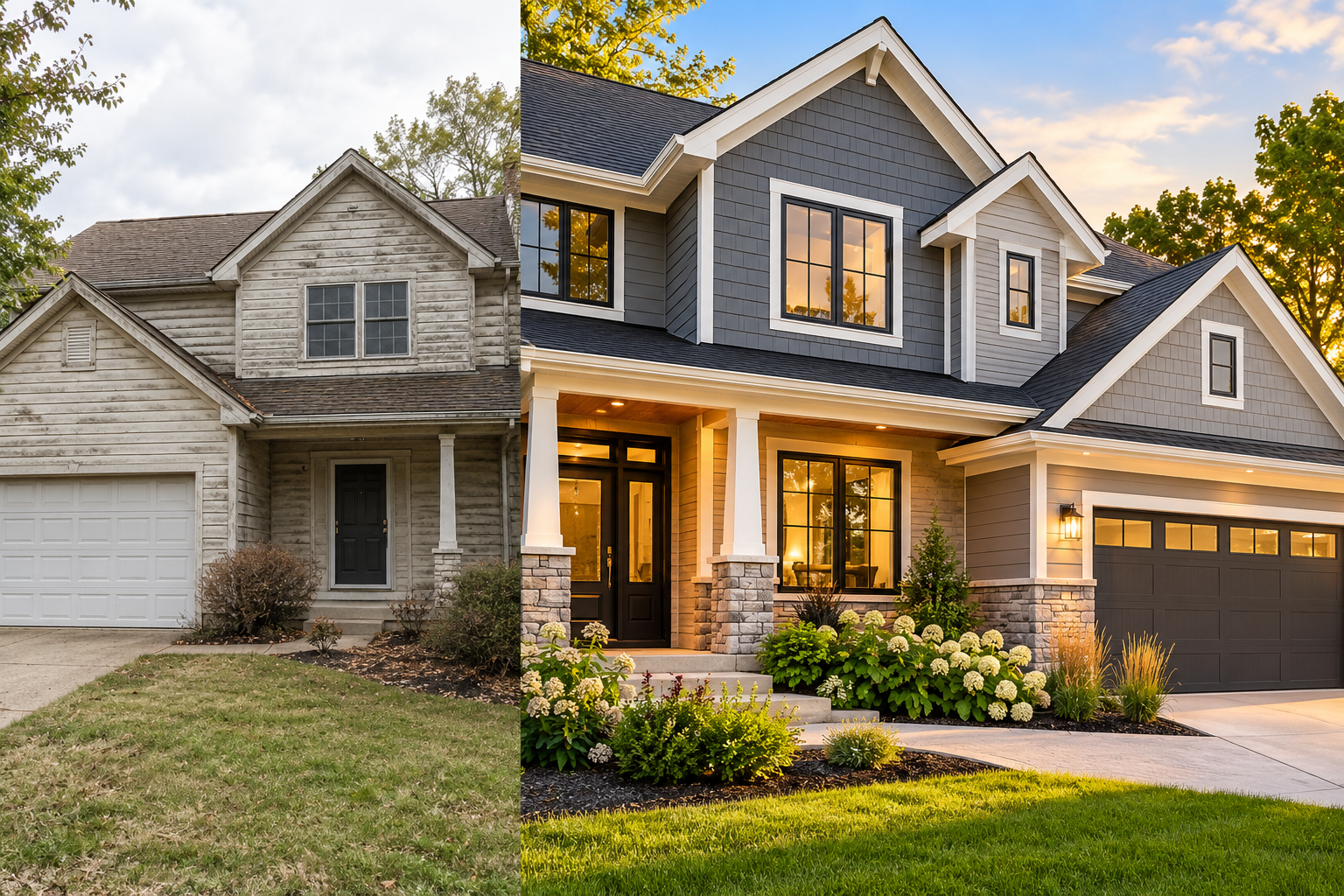
Wondering, is an exterior renovation worth the investment? This guide covers ROI, curb appeal, and long-term value to help you decide. Contact us today!
How Do I Choose An Exterior Color Scheme?
 Selecting the right paint for your home’s exterior is a significant decision that dramatically impacts its curb appeal and overall value. For many homeowners, the central question is, How do I choose an exterior color scheme? The sheer number of options can feel overwhelming, but with a structured approach, you can confidently select a palette that reflects your style and enhances your home’s best features. Furthermore, a well-chosen scheme can stand the test of time, ensuring your home looks fantastic for years to come. This guide will walk you through the essential steps, from understanding your home’s architecture to testing colors like a pro.
Why Your Exterior Color Scheme Matters More Than You Think
The color of your home is its most prominent feature. Consequently, it’s the first thing visitors and potential buyers notice. A thoughtful color palette does more than just look good; it serves several critical functions. Firstly, it boosts curb appeal, creating a welcoming and attractive first impression. Secondly, the right colors can highlight unique architectural details, drawing the eye to beautiful trim work or a grand entryway, while downplaying less desirable features. Importantly, a professional paint job with a great color scheme can also increase your property’s market value. It signals that the home is well-maintained and cared for. Ultimately, your home’s exterior is a reflection of your personal taste, and the colors you choose are a powerful form of self-expression.
Key Factors for Answering ‘How Do I Choose An Exterior Color Scheme?’
To make an informed decision, you must consider several fixed and variable elements. Answering the question ‘How do I choose an exterior color scheme?‘ becomes much simpler when you break it down into manageable parts. Instead of just picking a color you like, analyze the context in which that color will exist. This systematic approach prevents costly mistakes and ensures a harmonious result.
Consider Your Home’s Architectural Style
Your home’s design provides a natural starting point for color selection. Certain palettes are historically associated with specific architectural styles. For example, Craftsman homes often feature earthy tones like deep greens, rich browns, and muted reds that connect the structure to its natural surroundings. In contrast, a modern home might look stunning with a bold monochromatic scheme of charcoal gray, white, and a single pop of vibrant color. Similarly, Victorian houses are famous for their complex, multi-color palettes that accentuate intricate trim. Researching your home’s style will provide a wealth of inspiration and time-tested ideas.
Analyze Your Fixed Elements
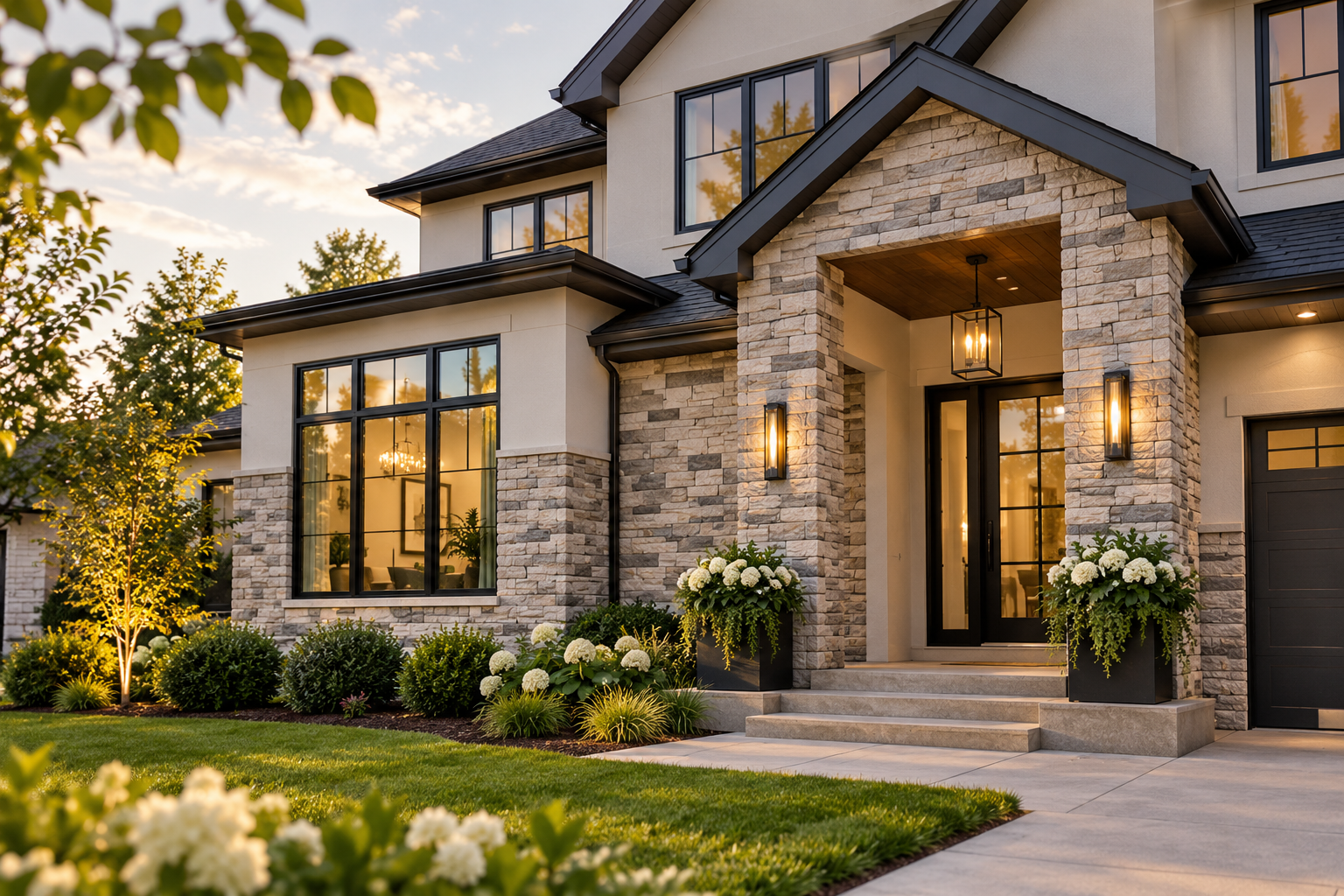
Many parts of your home’s exterior are permanent or very expensive to change. Therefore, your color scheme must complement these fixed elements. Take a close look at the undertones in your roofing material, brick or stone accents, pathways, and driveway. Is your roof a cool charcoal gray or a warm brown? Does your stonework have flecks of blue, tan, or rust? These existing colors must harmonize with your new paint. For instance, a warm beige siding will clash with a cool-toned blue-gray roof. Pulling inspiration from these fixed features is a surefire way to create a cohesive look.
What Are the Components of a Great Exterior Palette?
A successful exterior scheme is typically composed of three distinct parts that work together. Professionals often refer to a variation of the 60-30-10 rule, which helps create balance and visual interest. By assigning a role to each color, you ensure that the final look is intentional and well-designed. This is where professional exterior design guidance can be invaluable.
- Main Field Color (60%): This is the dominant color that will cover the largest surface area, such as your siding and stucco. It sets the overall mood for your home.
- Trim Color (30%): The trim color is used for features like window and door frames, roof edging, railings, and other trim work. It should contrast or complement the main color to create definition.
- Accent Color (10%): This is the most vibrant color, used sparingly to draw attention to specific features like the front door, shutters, or architectural details. It’s your opportunity to add a punch of personality.
Thinking in terms of this structure helps organize your choices. For example, a classic combination might be light gray siding (main), crisp white trim (trim), and a bold navy blue front door (accent). This balanced approach is key to a sophisticated exterior.
How to Test Colors Before You Commit
Never choose an exterior color based on a small paint chip viewed indoors. The way a color appears is dramatically affected by natural light, which changes throughout the day. To avoid surprises, you must test your top contenders directly on your house. Most paint companies offer small sample pots for this exact purpose. Paint large swatches (at least 3×3 feet) on different sides of your house to see how they look in the morning sun, midday brightness, and evening shade. Additionally, observe them on both sunny and overcast days. This process is critical for making a final decision you won’t regret.
For those who want even greater certainty, modern tools can eliminate the guesswork. Digital visualization software allows you to ‘try on’ different color schemes on a photo of your own home. Moreover, advanced 3D rendering technology can create a photorealistic model of your property, showing exactly how the final result will look. As many experts agree, it’s always best to start with a solid design plan before any materials are ordered or work begins. For a great online tool, consider the Benjamin Moore Personal Color Viewer to get started.
Final Thoughts on Creating a Timeless Look
Choosing an exterior color scheme is a journey of balancing personal taste with the fixed realities of your home and its environment. By considering your home’s architecture, analyzing its permanent features, and using the three-part palette rule, you can demystify the process. Remember to always test your colors in real-world conditions before making a final commitment. While trends come and go, a well-considered color scheme rooted in classic color theory will provide lasting beauty and value. If you’ve asked yourself, ‘How do I choose an exterior color scheme?’ and still feel unsure, partnering with a design professional can provide the clarity and confidence needed to transform your home’s exterior. Explore our services to see how we can bring your vision to life.
Related Posts